
Picture this: it’s a warm summer evening. The sun dips below the horizon, casting a golden glow. Instead of being cooped up inside, you’re lounging on a comfortable sofa, a gentle breeze rustling through the leaves, the scent of blooming jasmine in the air. Sound like a dream? For many, their outdoor space feels more like an afterthought, a patch of grass requiring mowing. But what if we challenged that perspective? What if we began to view our backyards, balconies, or patios not as mere extensions of our homes, but as vital living areas, ripe for transformation? Exploring the best ways to improve your home’s outdoor living space isn’t just about aesthetics; it’s about unlocking a new dimension of comfort, functionality, and connection. It begs the question: how can we move beyond the ordinary and create an outdoor oasis that truly enriches our lives?
Beyond the Grill: Crafting Zones for Every Mood
Often, the initial thought for an outdoor space revolves around a barbecue. While grilling is undoubtedly a beloved pastime, confining your vision solely to that can be limiting. The most successful outdoor living areas are those that embrace the concept of “zoning.” Think about how you use your indoor spaces – you have a living room for relaxing, a dining area for meals, perhaps a cozy nook for reading. Why should your exterior be any different?
The Relaxation Retreat: This is where comfort reigns supreme. Plush seating, soft cushions, perhaps a hanging chair or hammock. Consider incorporating natural elements like potted plants or a small water feature to enhance the sense of tranquility. It’s about creating a space where you can genuinely unwind and disconnect.
The Entertainment Hub: For those who love to host, this zone is paramount. It needs ample seating, good lighting for evening gatherings, and perhaps a dedicated spot for music or games. The proximity to the indoor kitchen can also be a crucial factor here, making serving guests seamless.
The Culinary Corner: Even if you don’t have a full outdoor kitchen, a well-designed grilling station with prep space and accessible storage can elevate your cooking experience. Consider the placement of your grill relative to seating areas to ensure good flow and conversation.
By thoughtfully dividing your outdoor space into these distinct areas, you create versatility and purpose, making it more inviting and usable throughout the day and across different occasions. It’s about asking yourself: what experiences do I want to foster outdoors?
The Magic of Ambiance: Lighting and Greenery
It’s easy to overlook the subtle yet profound impact of lighting and plant life. During the day, greenery provides shade, color, and a connection to nature. As dusk settles, strategic lighting transforms a functional space into something magical.
#### Illuminating Your Nights: More Than Just Function
Outdoor lighting is often an afterthought, viewed purely as a safety measure. However, it’s a powerful tool for setting the mood and extending the usability of your space well after the sun sets.
Task Lighting: Essential for areas like grilling stations or pathways, ensuring safety and functionality. Think under-cabinet lighting for an outdoor kitchen or well-placed path lights.
Accent Lighting: This is where you can get creative. Uplighting trees, highlighting architectural features, or using string lights to create a festive atmosphere. These elements draw the eye and add depth.
Ambient Lighting: Soft, diffused light from lanterns, sconces, or even solar-powered garden lights creates a warm, inviting glow. It’s the subtle foundation that ties everything together.
Have you ever noticed how a well-lit patio can feel so much more intimate and appealing? It’s a testament to how thoughtful illumination can redefine a space.
#### Green Thumbs and Great Views: The Power of Plants
Plants are the unsung heroes of outdoor living. They soften harsh lines, provide privacy, attract beneficial insects, and add bursts of color and texture. Consider:
Vertical Gardens: A fantastic solution for smaller spaces, adding greenery without sacrificing floor area.
Container Gardening: Allows for flexibility and the ability to create focal points. Move them around to change the look and feel as seasons change.
Native Plants: Not only are they generally easier to care for and more drought-tolerant, but they also support local wildlife.
Incorporating a variety of textures and heights in your planting scheme can create visual interest and a sense of lushness. It’s about creating a living, breathing extension of your home.
Comfort is King: Furniture and Shelter Considerations
Let’s face it, even the most beautiful outdoor space will go unused if it’s not comfortable. Investing in quality furniture and considering elements of shelter can make all the difference.
#### Seating That Invites You to Stay Awhile
When selecting outdoor furniture, durability is key, but comfort should never be sacrificed. Consider materials that can withstand the elements while still being soft and inviting.
Modular Seating: Offers flexibility to rearrange your layout for different occasions.
Performance Fabrics: Look for cushions and upholstery made with materials resistant to fading, water, and mildew.
Ergonomics: Ensure the seating is supportive and comfortable for extended periods.
It’s often the little touches, like plump cushions and throws, that elevate outdoor seating from merely functional to luxuriously inviting.
#### Finding Your Shade: Shelter from the Sun and Rain
While we often dream of sunny days, harsh sun or unexpected downpours can quickly cut outdoor enjoyment short. Smart shelter solutions are crucial.
Umbrellas: Versatile and can be easily moved to provide shade where needed.
Pergolas and Gazebos: Offer more permanent structures, defining a space and providing significant shade. Some can even accommodate retractable canopies for adjustable coverage.
Awning and Shade Sails: Provide a more modern and often cost-effective solution for covering specific areas.
Choosing the right type of shelter depends on your climate, budget, and the overall aesthetic you’re aiming for. It’s about ensuring your outdoor haven is usable in a wider range of conditions.
The Practicalities: Flooring, Privacy, and Flow
Beyond the visual and comfort aspects, there are practical considerations that significantly impact the usability and enjoyment of your outdoor living space. These are the elements that often go unnoticed but are fundamental to a well-functioning area.
#### Grounding Your Space: The Importance of Outdoor Flooring
The ground beneath your feet sets the tone and influences how you interact with your outdoor area.
Decking: A classic choice that can add warmth and a sense of elevation. Wood decking requires maintenance, but composite options offer durability and low upkeep.
Patios (Stone, Pavers, Concrete): Offer a solid, grounded feel and a wide range of aesthetic possibilities. From natural stone to modern concrete pavers, the options are vast.
Gravel or Outdoor Rugs: Can be cost-effective solutions for defining areas or adding softness and color.
Consider how you’ll be using the space. Will you be dining al fresco, playing games, or just lounging? The flooring should support these activities. For instance, a smooth, level surface is essential for dining and serving.
#### Creating Your Sanctuary: Enhancing Privacy
In today’s world, a sense of privacy is often highly valued. Overlooked yards can feel exposed, diminishing the feeling of an intimate retreat.
Fencing: A traditional and effective solution, but it doesn’t have to be a boring barrier. Consider decorative fencing or incorporating planters along its length.
Hedges and Green Walls: Natural and beautiful, offering both privacy and a softening effect.
Privacy Screens and Trellises: Can be strategically placed to block views without completely enclosing the space. Add climbing plants for extra charm.
The goal is to create a feeling of enclosure and seclusion without making your space feel claustrophobic. It’s about finding that perfect balance between openness and intimacy.
#### Seamless Transitions: The Flow Between Indoor and Outdoor
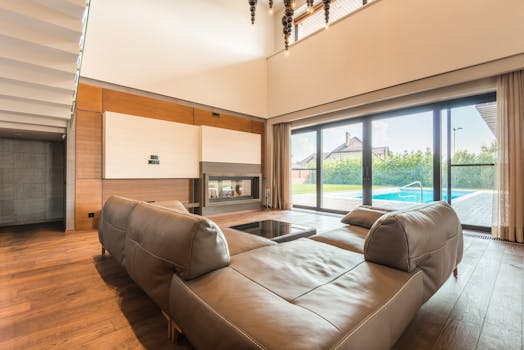
Perhaps one of the most overlooked, yet impactful, best ways to improve your home’s outdoor living space is ensuring a smooth and inviting transition from your interior to your exterior.
Large Sliding or Bi-fold Doors: These can completely open up a wall, blurring the lines between inside and out.
Consistent Flooring Materials: Extending similar flooring materials from your indoor space to your patio can create a visual continuity.
Cohesive Decor: Echoing colors, textures, or styles from your interior decor in your outdoor furnishings helps tie the two spaces together harmoniously.
When the transition is seamless, your outdoor space feels like a natural, integrated part of your home, encouraging you to use it more often and more intuitively. It’s about extending your living area, not just adding a separate outdoor room.
Final Thoughts: Cultivating Your Outdoor Dream
Transforming your outdoor living space is a journey, not a destination. It’s about looking at your current setup with fresh eyes and asking probing questions. What truly brings you joy and relaxation? How can your outdoor area better serve your lifestyle and your desire for connection – with nature, with loved ones, and with yourself? By thoughtfully considering zones, ambiance, comfort, and the practicalities of flow and privacy, you’re not just improving your home’s curb appeal; you’re investing in your well-being and creating a more fulfilling way of life. The best ways to improve your home’s outdoor living space are ultimately the ones that resonate most deeply with your personal vision for an outdoor sanctuary. So, step outside, observe, and begin to imagine the possibilities.